Plant/Tree Health Services
Services for Plant/Tree Health
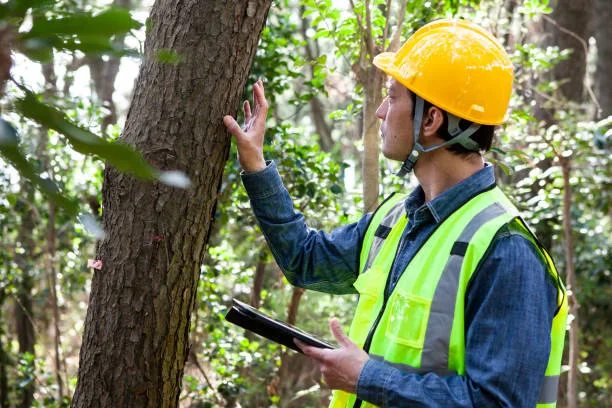
Trees have potential for damage from pathogens, insects, nutrient deficiency, and environmental factors. The first sign of a declining tree (discoloration, die back, poor growth) necessitates a professional to evaluate the tree to help it regain its health. At Tree Pros Cliffside Park, our ISA-certified arborist will conduct a professional assessment and diagnostic evaluation of your tree to create an appropriate treatment plan for your landscape’s most valuable asset.
Tree Health Management is an extremely technical field and has much more to do with the tree’s biology and pathology, entomology, and soil sciences than simply pruning or removal of the tree. The certified arborist will look past the surface symptoms to determine the internal workings of the tree and identify what stressors the tree is experiencing. This approach will allow us to treat the root cause of the problem, versus just treating the symptoms. Therefore, this method allows for a longer-term solution to maintaining the health of the tree versus providing a short-term fix.
Trees located in Cliffside Park and the surrounding New Jersey areas face unique challenges when preserving their health. For example, the humid summer weather creates ideal conditions for fungal growth. In addition, local pests that feed on both native hardwoods and ornamental species require knowledge of local conditions to effectively treat. As professionals who have worked in Bergen County for many years, we are knowledgeable regarding the regional diseases and environmental conditions that affect trees in this region. We believe this expertise is essential in creating treatments that will be specifically tailored for the local ecosystem.
Successful tree care is often achieved through proactive monitoring. Many tree diseases and insect infestations are easy to manage if caught early; however, if left untreated, they can quickly become untreatable —and potentially deadly to the tree. If you notice any changes to the appearance or vigor of your tree, an immediate assessment may save the tree and prevent the costly removal of a healthy tree.
Get A Free Quote
Signs Your Trees Need Need a Doctor
Identifying the symptoms of your trees will help you know if the tree is healthy and thriving, or if the tree needs an assessment from a professional. All trees give off warning signs about their health status, as well as the presence of problems and diseases, in the form of visual indicators. By identifying those symptoms early enough, you can act quickly and prevent small problems from becoming large ones that can be fatal to the tree.
Foliage Problems
Leaf Discoloration: Leaf discoloration occurring outside of the typical fall leaf drop, or abnormal coloration of leaves, may be indicative of poor nutrition, disease, damage to the root system, and/or excessive environmental stress.
Early Fall Leaf Loss: Before early loss of large quantities of leaves before the fall season is usually an indication that the tree is experiencing stress due to lack of moisture, disease, pests, or a damaged root system.
Abnormal Markings or Stains: White powdery or black spots, circular or irregular necrotic areas, etc., are all indicators of either fungal or bacterial infections of the tree.
Trunk/Branch Problems
Bark Damage: Missing, cracked, split, or loose bark from the trunk of the tree is an obvious signal that the tree should have professional assistance.
Cankers: Sunken, swollen, and/or discolored areas of the trunk or branches, and oozing sap, are usually signs of disease affecting the tree.
Holes/Tunnels: Exit holes in the bark, frass (sawdust) at the base of the tree, tunnels in the bark, etc., indicate the presence of wood-boring insects and potential damage to the internal structure of the tree.
Soil/Root Indicators
Exposed Roots: The exposure of the tree’s root system due to erosion, compaction, and/or grade changes around the tree can result in significant stress and future stability concerns.
Fungal Growth: Mushrooms growing around the base of the trunk or on the root flare of the tree indicate some level of internal decay or root rot, both of which pose a critical threat to public safety and human health.
Waterlogged Conditions: Waterlogging or constant saturation of the soil around the base of a tree can kill the tree’s roots and provide ideal conditions for lethal root rot.
Insects/Pests
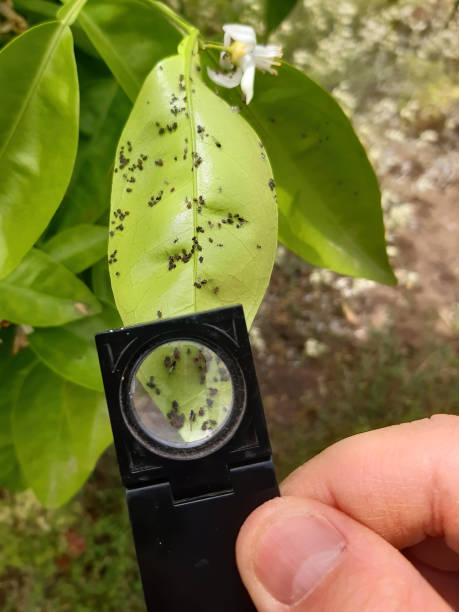
High Population of Large Insects: An unexpected population of aphids, scales, or caterpillars on the foliage of a tree is evidence of a pest infestation that may require medicinal treatment for control.
Webs: Webs spun on leaves are generally indicative of spider mite infestations, whereas thicker webs found in the branches are likely the product of tent caterpillar activity.
Sweet-Tasting Residue: Honeydew (a sticky substance produced by sap-sucking insects such as aphids or scales) present on leaves, branches, or vehicles parked underneath a tree is an indicator of an insect infestation.
Common Tree Diseases in Union City
Because the climate of Northern New Jersey is warm and moist, and because of the high population density of Union City, many tree diseases thrive here. If you know what diseases are common in your area, you can catch problems sooner and treat them faster.
Anthracnose
The diseases caused by Anthracnose affect: oak, maple, ash, sycamore, and London plane trees.
Symptoms of Anthracnose include: irregular brown or black patches along the veins of the leaves; leaves may begin to curl up or fall from the tree by late spring; you may find small cankers or dead twigs throughout the upper part of the canopy.
Anthracnose is caused by an anthracnose fungal pathogen that grows best in the cool, wet spring conditions common to the Hudson County area.
Recommendations for Treating Anthracnose:
- Apply professional-grade fungicides when buds break.
- Sanitize the area around the tree using rakes to remove and dispose of any fallen leaves that have been affected by the disease to help lower the number of fungal spores.
- Prune the tree to increase the amount of air flow.
Powdery Mildew
Powdery mildew affects: dogwood, crabapple, lilac, and other ornamental trees.
Symptoms of powdery mildew include: a thick, white or light gray dust that covers the surface of leaves; infected leaves are typically stunted and misshapen and fall from the tree prematurely.
Powdery mildew is caused by fungi that grow best in areas where the air is humid, the temperature is moderate, and the air is stagnant.
Recommendations for Treating Powdery Mildew:
- Apply fungicides immediately after you see the first signs of symptoms.
- Prune any vegetation near the tree to improve sunlight and air circulation.
- When planting new trees, select varieties of trees that are resistant to powdery mildew.
Bacterial Leaf Scorch
Bacterial leaf scorch affects: oak (Red, Pin, and White), elm, and sycamore trees.
Symptoms of bacterial leaf scorch include: the leaves look burned or scorched, especially along the edges; the scorch is typically separate from the rest of the healthy green leaf; symptoms typically appear in mid-to-late summer.
Bacterial leaf scorch is caused by a bacterium (Xylella fastidiosa) that is carried by xylem-feeding insects such as leafhoppers.
Recommendations for Treating Bacterial Leaf Scorch:
- There is no complete cure for bacterial leaf scorch; however, it can be treated using antibiotics injected directly into the trunk and deep root fertilizers to decrease tree stress; proper mulching and additional water during the dry summer months are important.
Root Rot (Phytophthora)
Root rot affects: yew, juniper, azalea, and other types of evergreen plants.
Symptoms of root rot include: yellowing of leaves, wilting, and thinning of the canopy even though the plant has sufficient water; upon inspecting the roots, they will be soft and dark instead of hard and white.
Root rot is caused by water molds that thrive in saturated soils in densely populated urban environments.
Recommendations for Treating Root Rot:
- Avoid overwatering the plant; improve soil drainage.
- For valuable plants, apply a fungicide soil drench.
- Remove severely infected plants to stop the spread of infection to surrounding plants.
Apple Scab
Apple scab affects: crabapple, apple, and hawthorn.
Symptoms of apple scab include: dull, olive-green to black velvety patches on the leaves and fruit; significant infestation leads to complete yellowing and premature loss of leaves by mid-summer.
Apple scab is caused by a fungus that survives the winter months on fallen debris and then rapidly multiplies during the numerous springtime rain showers in northern New Jersey.
Recommendations for Treating Apple Scab:
- Apply preventative fungicides beginning at bud swell and continuing until early summer.
- Thoroughly clean up any debris from fallen leaves in the fall to prevent continued disease cycles.
Fire Blight
Fire blight affects: pear (Callery/Bradford and ornamental), apple, and hawthorn.
Symptoms of fire blight include: branches that appear to be blackened and shriveled as if scorched by fire; young shoot tips often bend into a shepherd's hook shape.
Fire blight is caused by a highly contagious bacterium that is transmitted by wind, rain, and insects.
Recommendations for Treating Fire Blight:
- During the winter months, prune out infected branches 8 to 12 inches below the visible damage; it is essential to disinfect pruning equipment with alcohol or bleach between each cut to prevent the spread of the disease; do not prune diseased branches in the growing season.
Our Tree Health Care Services
Tree Pros Cliffside Park offers a full range of professional tree healthcare services to diagnose and treat all forms of tree disease, insect problems, and overall decline. Our ISA-Certified Arborists have been trained using the latest scientific methods to find and resolve the causes of tree health problems as well as promote the long-term health of your Cliffside Park area landscape.
Tree Healthcare Assessment
What We Offer: A complete assessment of the health of each tree, a detailed record of every symptom identified, and an accurate diagnosis of the primary reason for the symptoms. We will also assess all contributing environmental factors and recommend treatment options and a prognosis for the potential for the tree's continued health.
How We Conduct Tree Healthcare Assessments: An ISA-certified Arborist will visit your property to conduct a complete on-site assessment of your tree(s). The Arborist will evaluate the appearance of the leaves, bark, branches, and visible portion of the root system. We will evaluate the pattern of symptoms observed and assess the tree's specific environmental stresses and factors at your location.
Treating Common Tree Diseases
We provide treatments for many of the diseases commonly found in the northern New Jersey area, such as:
Fungal & Bacterial Diseases: Anthracnose, Powdery Mildew, Leaf Spot, Rust, Root Rot (Phytophthora), Canker Diseases, and Apple Scab.
Methods of Treatment:
- Fungicides: Timing is everything when it comes to fungicides. For optimal results, we will apply fungicides before the disease infects the tree. However, once the disease has infected the tree, some diseases can be treated.
- Sanitation: Eliminate the sources of infection. We remove diseased branches and fallen diseased leaves or foliage and properly dispose of them to eliminate the source of fungal spores.
Pest Control Services
We control and manage many of the most common local pests that harm the trees in Cliffside Park:
Aphids: Aphids are small insects that feed off the sap of the tree, causing curled leaves and "honeydew" residue to appear on the leaves and stems of the tree.
Scale Insects: Scale Insects are a pest that attaches itself to the bark and/or leaves of the tree, and over time weakens the tree.
Spider Mites: Spider Mites are tiny arachnids that cause the leaves of the tree to turn yellow and develop a stippled appearance, and create fine webs between the branches and leaves of the tree during periods of heat and dryness.
Integrated Pest Management (IPM): IPM is a method of controlling pest populations by regularly checking for signs of infestation, identifying the type of pest population present, and selecting the least invasive and most effective treatment possible.
Deep Root Fertilization
Our deep-root fertilizers are delivered through specialized equipment that applies a liquid fertilizer directly into the root zone of the tree. This allows the tree to quickly and easily take in the necessary nutrients in the areas of greatest need, bypassing the surface vegetation and compacted soils surrounding the tree.
Soil Analysis and Amendments
The soil is the foundation upon which healthy trees grow. We offer professional soil testing, pH measurements, nutrient analysis, drainage evaluations, and assessments of soil compaction.
Soil Aeration: We use mechanical aeration to loosen compacted soils and increase oxygen levels in the soil to help the tree take in water and nutrients more efficiently.