Menu
Preparing Your Yard for Stump Removal in Cliffside Park
Stump Removal Cliffside Park
Proper preparation ensures safe, efficient stump removal while protecting your property and landscape investment. At Tree Pros Cliffside Park, we’ve learned that thorough site preparation prevents complications, reduces project costs, and delivers superior results for homeowners throughout our community. From hillside properties near Palisades Interstate Park to residential areas around Memorial Park, understanding preparation requirements helps property owners maximize their stump removal investment.
Assessing Your Property and Stump Condition
The effectiveness of removing stumps is directly related to the quality of site assessments that provide an understanding of the potential challenges and the best course of action for your specific circumstance. Stump size, species, location, and the surrounding environmental characteristics will determine how a stump should be removed and what preparation is required to complete the job. For example, large oak and maple stumps that exist in many of the older neighborhoods in Cliffside Park (i.e., those along Anderson Ave.) are much larger than small ornamental tree stumps and thus require a different approach to removal.
You also need to consider the purpose of the land once the stump has been removed. The options for lawn repair, garden installation, or planting a new tree will require varying degrees of grinding and preparation to restore the site to its original condition. There are many different examples of post-removal restoration for properties located along Anderson Avenue and throughout the surrounding residential neighborhoods that would be greatly aided by using the proper preparation strategy.
Assessing Access to Equipment Needs
Equipment access is one of the key factors in determining the removal method(s) of a stump and the degree of preparation needed to remove the stump. There are several sizes of stump grinding equipment, ranging from compact equipment designed for very tight spaces to large equipment requiring a clear path of travel and enough space to maneuver.
Evaluate the paths that run from street access to the location of the stump, paying close attention to the width of gates, overhead obstructions, and the condition of the ground that may limit the ability of the equipment to move. Due to Cliffside Park’s varied topography, there are numerous cases where the grade of the property, the passageways, or lack of access to the stump location will limit the types of equipment that can be used to grind the stump and therefore affect the preparation requirements of the removal job.
Preparation of the Work Site Safely
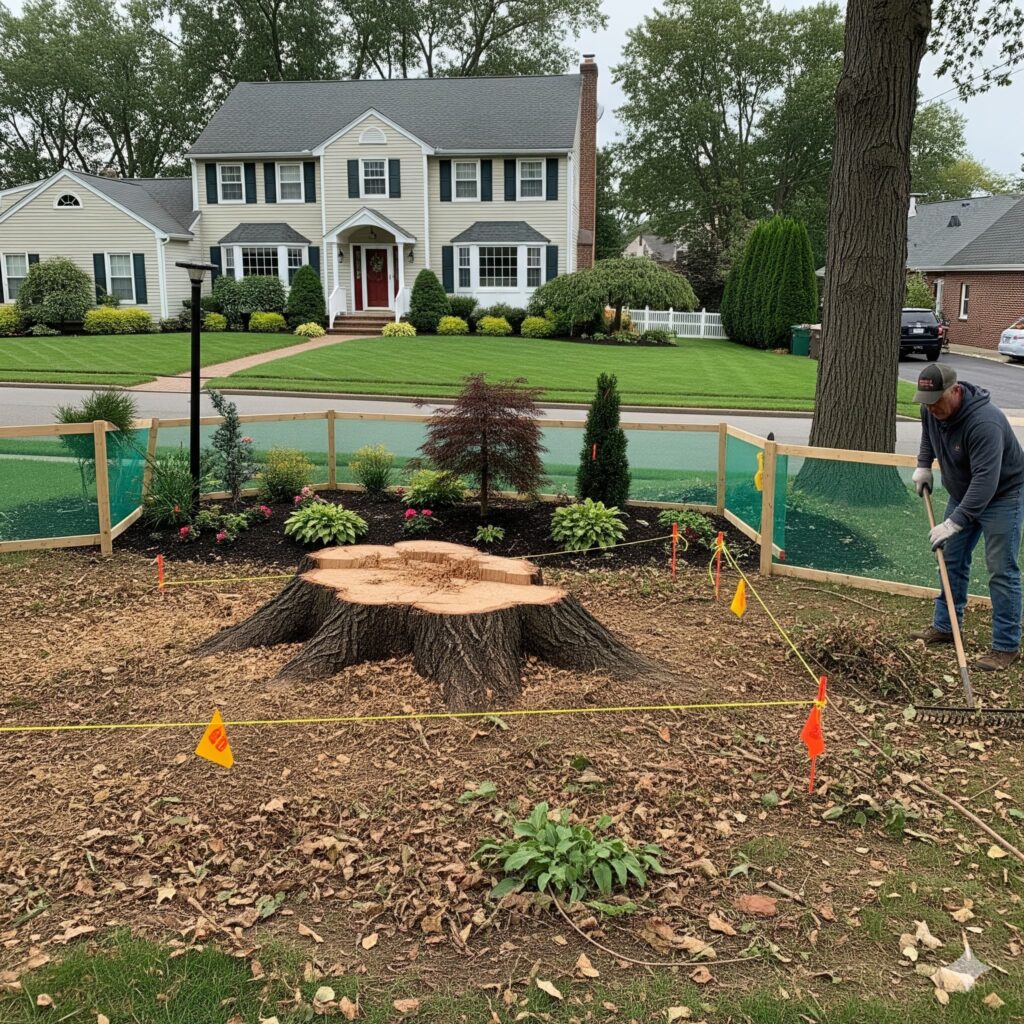
A thorough preparation of the site will help to protect your property and equipment, and will aid in creating a safe environment in which to perform the removal of the stump. Clear the work site to at least a 10-foot radius of each stump to include lawn furniture, decorations, plants, etc., and anything else that could potentially be damaged by the flying debris produced by the stump grinding operation, or hinder the performance of the equipment.
Be particularly cautious of the delicate landscaping elements that are located near the work site. Potted plants, exterior light fixtures, irrigation heads, etc., may need to be temporarily moved out of harm’s way to prevent damage to these elements. In addition, many of the properties that are located near Grantwood Park and other highly landscaped areas contain numerous plants and other landscaping elements that would greatly benefit from being properly prepared and protectedbeforeo performing the removal operation.
Identify and Mark Underground Utilities
Before scheduling a stump removal operation, contact New Jersey’s 811 Dig Safe Service at least three business days before the removal to identify and mark underground utilities such as gas, electrical, water, sewage, and telecommunication lines that could be damaged during the grinding process and cause injury or expensive damage.
In addition to marking the publicly owned utilities, you may also need to identify and mark private utility components, such as irrigation system components, and exterior lighting wiring that may not be listed on public utility mapping services. As many of the residential neighborhoods in Cliffside Park have extensive irrigation systems and/or exterior lighting systems, it is extremely important to identify and protect these components during the removal operation.
Preparation of the Stump and Root Zone
Grind stumps to as low as 6 inches above grade when possible to minimize the grinding time and equipment wear. Cutting the stumps lower will eliminate a significant portion of the material that must be removed, and improve the efficiency and safety of the removal equipment and operator. Use the correct tool and safety equipment to cut the stumps down to size before professional removal services begin.
Clear the debris and loose soil, rocks, etc., from around the base of the stump to avoid damaging the removal equipment and to reduce the potential for projectiles to fly into adjacent properties. Debris such as metal objects (nails, screws, etc.) and wire that become embedded in the stump can cause severe damage to the grinder teeth and produce hazardous flying debris. Thoroughly inspect the area around the stump for any foreign objects that require removal before grinding commences.
Root Zone Considerations
Large surface roots extending past the immediate stump zone may require additional preparation or removal services. As many of the mature trees in the neighborhoods of Bergen County have developed extensive root systems that affect the surrounding landscape areas, they may require individualized attention during the removal operation.
Record the location of roots that may interfere with nearby plantings, walkways, or structural elements. This documentation will assist the removal service provider in selecting the most effective removal methods and equipment, and in identifying areas that require special attention or protection during the removal operation.
Protection of Nearby Landscaping Features
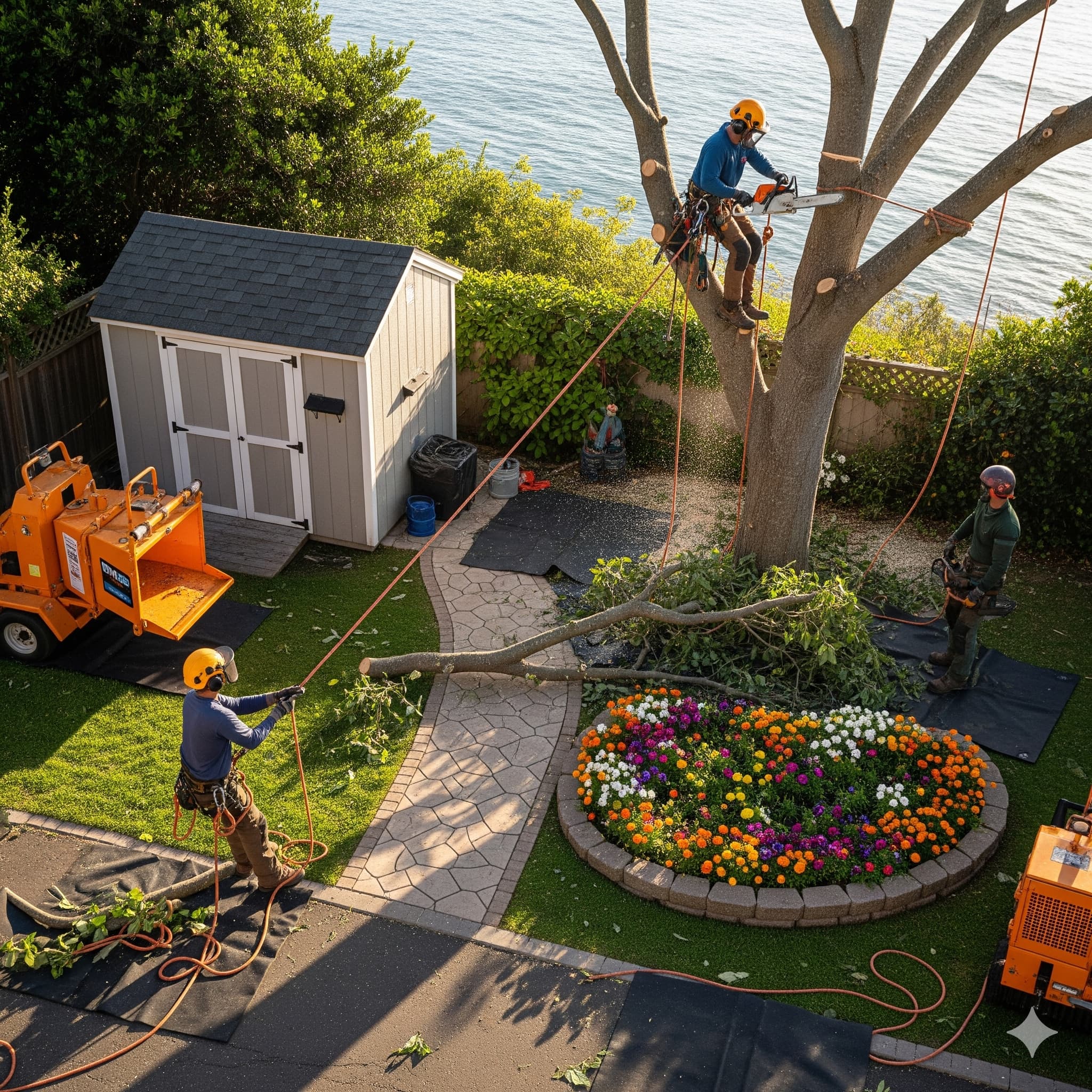
Provide temporary protection for valuable plants, structures, and lawn areas that are located adjacent to the work zones. Heavy equipment and debris generated by the removal operation can damage nearby landscaping features, making proactive protection more economical than repairing or replacing them after the fact.
Protect air conditioning units, swimming pool equipment, patio furniture, etc., that cannot be moved away from the work zone. Many of the properties that surround Zalewski Park and the residential neighborhoods have numerous outdoor amenities that require protection during the removal operation.
Methods of Protecting Lawns and Gardens
Identify the irrigation lines, buried cables, etc., that may be exposed due to the movement of equipment or the grinding operation. Providing temporary pathways made of durable materials can protect lawns and gardens from damage caused by heavy equipment while allowing for a stable means of access for the removal equipment.
Consider the seasonality of the removal operation and the protection needs of the lawn and garden. For example, spring removals require more caution with regard to the potential damage to newly sprouting bulbs and new growth, whereas fall removals are generally easier to perform with minimal damage to dormant garden beds.
Weather and Timing Considerations
Schedule the removal of the stump based on the weather to ensure that the equipment can operate safely and to minimize the potential for damage to the property. Wet conditions can render the equipment movement unsafe and create muddy conditions that can damage the lawn and other landscape elements throughout the property.
As Cliffside Park has a unique climate, the ideal timing for removal of the stump may vary. Winter removals may take advantage of frozen ground conditions that will reduce the potential for damage to the lawn, whereas spring and fall removals allow for quick recovery of the affected areas through the planting of new plants or grasses.
Adjustments to Seasonal Preparation
Removal of stumps in the winter will require a different set of preparations compared to removal in the warmer months. The snow and ice may need to be removed to access the equipment, and the cold temperatures may actually help in some areas of the site preparation and equipment movement.
Removal of stumps in the summer will require a great deal of attention to dust control and irrigation system protection, whereas the fall removal will provide an opportunity to coordinate with other landscape maintenance activities. Many of the residential properties in Cliffside Park will benefit from the consideration of the timing of the removal of the stump to coincide with their overall landscape maintenance schedules.
Communication and Notification of Adjacent Property Owners
Inform adjacent property owners of upcoming stump removal operations, especially if the removal will affect shared driveways, property lines, or areas where debris may impact the adjacent property owner’s property. Professional courtesy will preclude disputes and assure all parties understand the timing and potential impacts of the removal operation.
Cooperate with homeowner associations in your area as applicable, and comply with any community standards and notification procedures for any modifications to the landscaping and equipment access. Many of the residential neighborhoods in Cliffside Park have strict regulations regarding landscaping modifications and equipment access that will need to be coordinated before the removal operation.
Scheduling and Arranging Access
Arrange for pet confinement and child supervision during the removal operation to ensure the safety of children and pets in the vicinity of the heavy equipment and work area. Professional stump removal operations involve very dangerous equipment and conditions that pose serious hazards to unsupervised people in or near the work zone.
Coordinate parking and access arrangements so that equipment can be delivered and operated without obstructing adjacent neighbors’ access to their own property or violating local parking ordinances. Preplanning will prevent delays in completing the removal operation and will also preclude disputes with your neighbors.
Planning for Post-Removal Restoration
Plan your post-removal restoration approaches for the areas affected by the stump removal operation, including soil amending, grading, and replanting or seeding activities. A proper planning process will include acquiring all of the materials and resources needed to immediately restore the site after the removal of the stump.
Consider obtaining a soil test to determine the existing soil conditions in areas where new plantings will occur, as the soil conditions surrounding the removed stump may require modification or amendments to promote healthy plant growth. Many of the properties in Cliffside Park are found in a wide variety of soils and will benefit from knowing the existing conditions before establishing restoration plans.
Materials and Resources Needed for Restoration
Acquire all of the materials needed to restore the site immediately following the removal of the stump, including soil, seed, mulch, etc. Having the necessary materials on hand will enable the completion of the restoration of the landscape while the ground conditions are still favorable for the establishment of new plantings, grasses, etc.
Determine your irrigation needs for the newly restored areas, and ensure that you have adequate water supplies and distribution methods to support the establishment of the new grasses, plants, or other landscape elements that were planted after the stump removal was completed.
Proper planning will ensure a smooth and successful removal of stumps in Cliffside Park, while protecting your property investment and meeting your expectations for restoring your landscape. Guidance from a professional will help to identify the specific preparation requirements for your unique situation, resulting in the desired outcome for your property improvement goals.